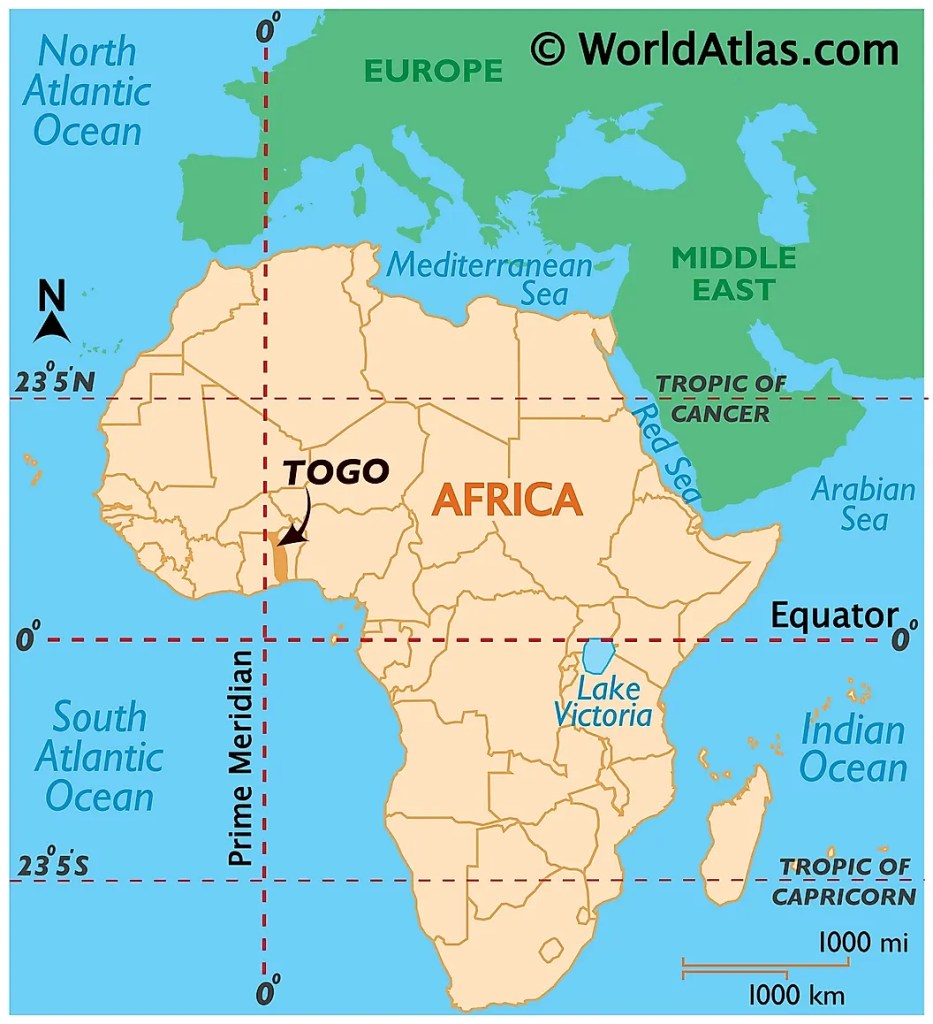

Togo is a small West African country situated between Ghana to the west and Benin to the east, with Burkina Faso to the north. It boasts a diverse landscape that ranges from sandy beaches along the Gulf of Guinea to lush hills and savannas. Togo’s capital, Lomé, is known for its vibrant markets, rich culture, and the striking independence monument that symbolizes the country’s history. The nation is home to various ethnic groups, each with its own traditions, languages, and customs, creating a rich tapestry of cultural heritage.
The economy of Togo is largely based on agriculture, with many citizens engaged in subsistence farming. Key crops include cotton, coffee, and cocoa, which are significant for both local consumption and export. Additionally, Togo is one of the leading phosphate producers in Africa. Despite its economic challenges, including high unemployment rates and limited infrastructure, the government has been working to improve the business environment and attract foreign investment.
Togo faces significant challenges related to poverty, with a substantial portion of its population living on less than two dollars a day. Limited access to education, healthcare, and basic services exacerbates the struggles of many families, particularly in rural areas where subsistence farming is the primary source of income. Infrastructure deficits, such as inadequate roads and unreliable electricity, further hinder economic growth and quality of life. However, despite these hardships, Togo is still an interesting place to visit. The country’s rich cultural heritage, vibrant markets, and breathtaking landscapes—from coastal beaches to lush hills—offer travelers a unique experience filled with warmth and hospitality. This is our complete itinerary for a ten day adventure filled, very authentic travel experience in Togo. Traveling in Togo is not for the faint of heart because of the rough road conditions and the stiffling heat. If I hadn’t been living here in Togo for the past year and a half I wouldn’t know any of these places on this list just from looking online. Togo is a French speaking country, you will find people speaking French alongside local languages if you don’t speak French you will need to download the offline version of google translate or have some sort of similar offline translation tool that speaks the words aloud if you don’t read well in French.
Day 1: Arrival in Lomé
Lomé, the capital city of Togo, is a vibrant coastal hub with bustling markets, rich cultural heritage, and beautiful beaches along the Gulf of Guinea. While it offers a lively atmosphere with numerous attractions such as the Lomé Grand Market and the Independence Monument, the city also faces significant challenges. Poverty, inadequate infrastructure, and unreliable public services are prevalent, impacting daily life for many residents. Additionally, the urban environment is marked by issues like traffic congestion and waste management problems, which can detract from the overall experience. Despite these challenges, Lomé remains a dynamic place that showcases the resilience and warmth of its people.
- Morning: Arrive in Lomé, the capital city. Check into your hotel and freshen up.
- Afternoon: Explore the bustling Lomé Grand Market. Immerse yourself in the vibrant atmosphere while shopping for textiles, crafts, and local produce. Have lunch near the beach and try Watche with a boiled egg (a spicy beans and rice dish). You can get around Lome using a ride share app called Gozem.
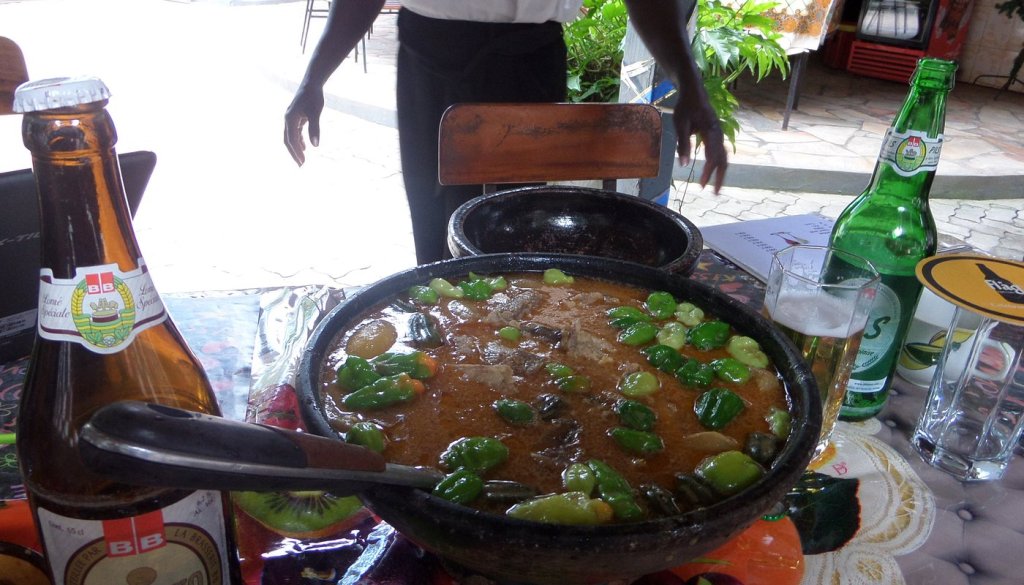
- Evening: Enjoy dinner at a local restaurant, trying traditional Togolese dishes like fufu and sauce gombo a plate at a bar or cafeteria is around 1,000 CFA or $1.60 USD. Stay overnight at Hotel Aurore Lome. Rooms at Hotel Aurore range from 21,000 CFA to 36,000 CFA or $35.00 to $60.00 USD they accept cards there.
There are motorcycle taxis and tuktuks throughout the city that you can grab from almost anywhere on the side of the road if you don’t want to download Gozem or wait for them to arrive. You will need lots of cash and preferably small bills because there are very few ATMs in Togo and it’s very hard to get change for bills that are over 5,000 CFA. I recommend taking out cash in Lome and again in Atakpame.
Day 2: Lomé to Togoville
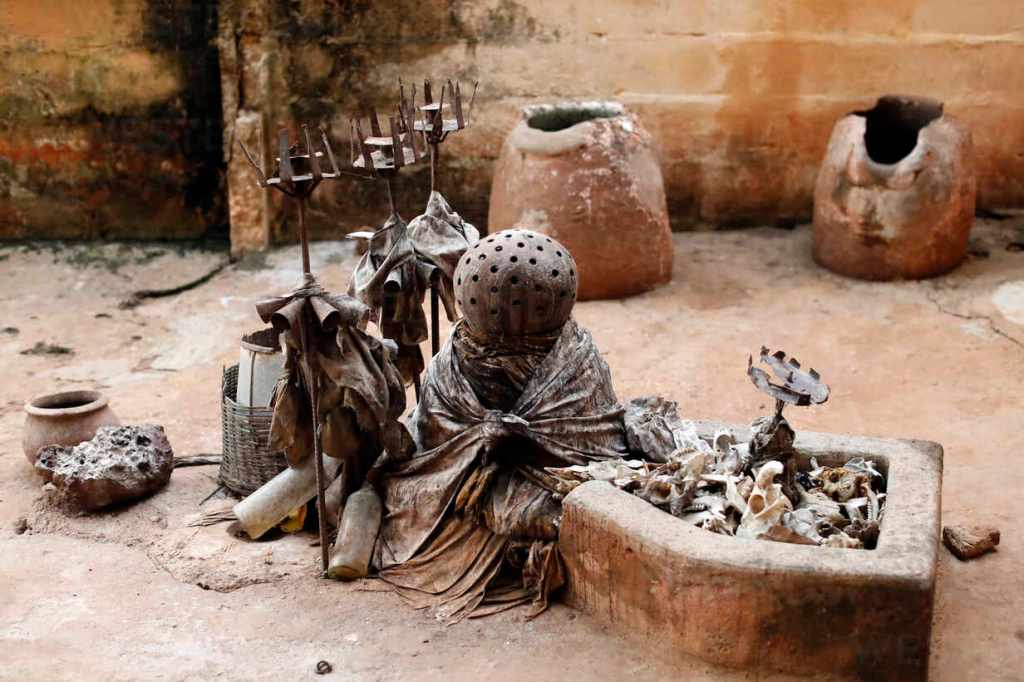
Togoville is a historic town located on the shores of Lake Togo, known for its rich cultural heritage and significance in Togolese history. As a center of Vodou culture, it attracts visitors interested in its unique traditions, ceremonies, and artisanal crafts.
- Morning: Visit the Basilique de l’Immaculée Conception in Lomé before heading to Togoville. Gozem only works in big cities so you will have to find a taxi. Any 5-seater car with a yellow license plate is a taxi. These taxis will be very cramped, most drivers transport at least 7 sometimes up to 10 people in one car. You can call them over and negotiate a price before getting in. Once you get to Togoville, take a boat ride across Lake Togo to reach the town.
- Afternoon: Explore Togoville, known for its rich history and Vodou culture. Visit local artisans and the Togoville Cathedral.
- Evening: Return to Lomé for dinner get Togolese spaghetti at any bar or cafeteria.
Day 3: Lomé to Aneho
Aneho, a coastal town located about 45 minutes from Lomé, is known for its beautiful beaches and historical significance as a former capital of the Togo colony during German rule. The town features vibrant markets, and a rich cultural heritage, particularly among the Ewe people and a much more laid back atmosphere than Lome. Grilled meat over charcoal and fresh seafood is a must when in Aneho.
- Morning: Travel to Aneho, approximately 45 minutes from Lomé, in a bush taxi this should cost around 2,000 CFA or $3.30 USD. Check into your accommodation at Hotel Oasis and relax for a bit.
- Afternoon: Visit the beach in Aneho and go for a swim.
- Evening: Dine at a seaside restaurant, savoring local dishes and fresh seafood. Restaurant Miadjoe is the best restaurant in Aneho with a beautiful sunset view of the ocean. Stay overnight in Aneho at Hotel Oasis. Rooms at hotel Oasis range from 20,000 to 30,000 CFA or $33.00 to $50.00 USD.
Day 4: Exploring Aneho
- Morning: Visit the local market in Aneho to experience daily life and the vibrant trade. Try some local snacks and interact with the friendly vendors.
- Afternoon: Explore the historical Maison du Patrimoine to learn more about the region’s history and culture. Enjoy some time at the beach for relaxation. Get grilled meat over charcoal at a local street vendor.
- Evening: Enjoy dinner at a local cafeteria, perhaps trying grilled fish or riz au gras. Stay overnight in Aneho at Hotel Oasis.
Day 5: Aneho to Kpalimé to Discover Local Art
Kpalimé is a picturesque town nestled in the hills of Togo, approximately 120 kilometers north of Lomé. Known for its stunning natural scenery, Kpalimé is often referred to as the “city of mountains” due to its lush landscapes, which include waterfalls, coffee and cocoa plantations, bats and hiking trails. The town serves as a gateway to several outdoor adventures, such as visits to the Cascade de Womé, Cascade de Yipka and Mount Agou, Togo’s highest peak. Kpalime is one of the places where you can shop for souvenirs at the Center Artisanal de Kpalime. You will need to hire a guide to get to Cascade de Yipka, you can’t get to the trailhead any other way. The Nature Lodge can help you find a guide who can get you to the trailhead.
- Morning: Leave Aneho and head to Kpalime, about 2 hours away and should cost around 3,000 CFA or $5.00 USD.
- Afternoon: Check into your Airbnb and catch a Moto into town for a fufu lunch then go the Centre Artisanal de Kpalimé to explore local art and shop for souvenirs (this is the only place you can get souvenirs other then fabrics and food). They host pottery classes that they can organize for you if you call ahead. Visit Aklala Batik du Togo to see how traditional batik fabrics are made and also shop for souvenirs. You can make your own batik if you call ahead and schedule a class.
- Evening: Stay overnight in Kpalimé at a Nature Lodge Airbnb. Eat at a local restaurant.
Day 6: Exploring Kpalimé

- Morning and Afternoon: Hike to the Cascade de Yikpa, a stunning waterfall in the surrounding mountains. This trip will take most of the day depending on the road conditions. Take a dip in the refreshing waters and enjoy the natural scenery. Be sure to bring plenty of water and snacks as there are not towns to stop in along the way.
- Evening: Stay overnight in Kpalimé at a Nature Lodge Airbnb. Eat at a local restaurant (MACUMBA Restaurant has delicious fufu) or at the Airbnb for simple dishes like Togolese spaghetti or rice and sauce. Watch the bats at sunset from the Nature Lodge as they return to their nearby cave. There is a great view of the bats from the pool area of the nature lodge.
Day 7: Travel to Kara
Serving as the capital of the Kara Region, it is known for its rich cultural heritage and diverse ethnic communities, including the Kabiye people. The city is characterized by its lively markets, where local artisans sell handcrafted goods, textiles, and traditional foods, reflecting the region’s unique artistic traditions. Kara also plays a vital role in agriculture, with surrounding areas dedicated to farming and trade.
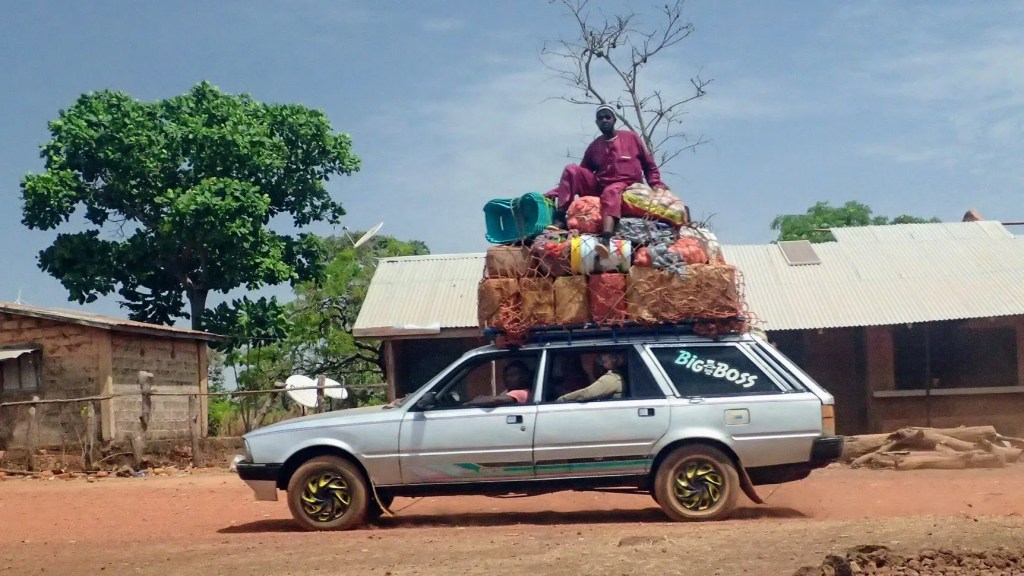
- Morning: Travel to Kara. The distance from Kpalimé to Kara is approximately 200 kilometers (about 124 miles). The travel time by car typically takes around 4 to 5 hours, depending on road conditions and traffic. The route takes you through some beautiful landscapes, offering a glimpse of Togo’s diverse scenery along the way. A bush taxi should cost around 7,000 CFA or $11.60 USD.
- Afternoon: Get lunch at one of the many places to eat in Kara including Kara Pizza swim in the Hotel Kara pool and check out the old market where you can find all kinds of fabrics and food. Be sure to get a calabash of Tchouk (traditional sorghum beer) at the market.
- Evening: Eat across the street from Hotel Kara at a local bar. Stay overnight in Kara at Hotel Kara. Rooms at Hotel Kara range from 15,000 to 35,000 CFA or $25.00 or $58.00 USD.
Day 8: Visit the Elephant Sanctuary and Travel to Atakpame
Atakpamé is a scenic city in the plateaus region of Togo, known for its mountainous landscape and cooler climate. Serving as a commercial hub for surrounding agricultural communities, it primarily relies on crops like yams, cassava, and maize.
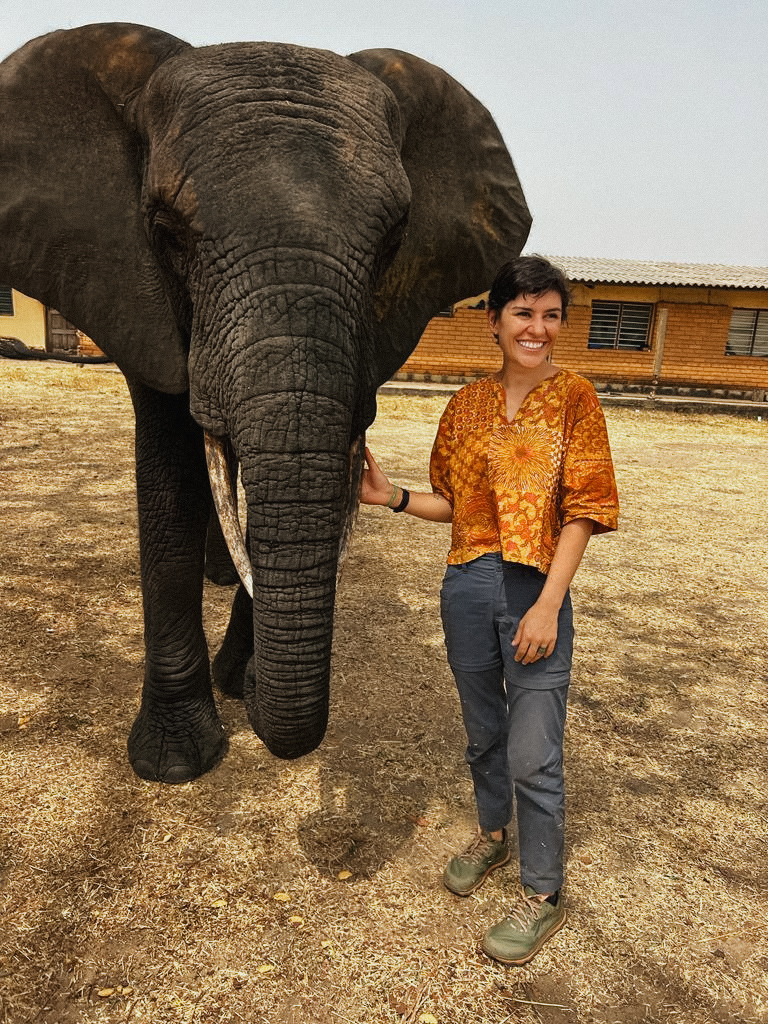
- Morning: Visit the Elephant Sanctuary and Lions. Reserve de Fauna de Djamde has adult elephants that you can pet and feed as well as caged lions that are fed everyday around noon if you want to see them eating. To get there it is along motorcycle ride and you have to ask around for a Moto willing to take you. You will need to pay for you and your moto driver to get into the park which is around 10,000 CFA or $16.00 USD.
- Afternoon: Head back to Kara for lunch before departing for Atakpame. By car, it typically takes about 3 to 4 hours to cover the distance of approximately 120 kilometers (75 miles). A bush taxi should cost around 4,000 CFA or $6.00 USD.
- Evening: Arrive in Atakpame and check into Chez George. Stay overnight at Chez George and eat at a local restaurant or at Chez George.
Day 9: Explore Atakpame


- Morning: Walk to the market and get breakfast sandwiches and Nescafe at a cafeteria near the market called Cafeteria House.
- Afternoon: Explore the market before getting motorcycle taxis to visit Cascade d’Ayomé. The bank with at ATM is walking distance from Chez George if you need to get money out. Known to have spiritual purifying effects, it is truly an off the beaten path destination I was taken here by a local friend.
- Evening: Watch the sunset over the city and eat a local restaurant or at Chez George. Go to Dadazi Sodabe for a Sodabe tasting, this is a brand new Sodabe tasting bar that is guaranteed to be a unique experience every time.
Day 10: Travel to Lome and Departure
- Morning: Return to Lomé. Usually takes around 2 to 3 hours by car, covering a distance of about 160 kilometers (100 miles). A bush taxi should cost around 3,000 CFA or $5.00 USD.
- Afternoon: Spend some time at Plage de Lomé, the city’s beach, relaxing and enjoying the ocean breeze.
- Evening: Head to the airport or bus station for your departure.
Some tips for traveling around Togo:
- Most places don’t take cards so always have cash with you.
- If you get stopped by a military checkpoint do not pay a bribe, the taxi driver will know what to do.
- When you check into a hotel you will fill out paperwork about yourself, you will need your passport number in order to do this.
- People will say “mangeons” to you anytime they are eating. It means “we are eating” or “we eat together” decline their invitation by smiling and saying “merci” in response. It is a sign of hospitality and not a real invitation to go and eat with them.
- When drinking Tchouck women drink first and the woman who served you the Tchouck will take the first sip out of the calabash before handing it you. A bowl of Tchouck costs 100 CFA or $0.16 USD.
- Togolese people generally love pictures, always ask before taking someone’s picture and offer to show them how it turned out. However, do not take pictures of government buildings or government officials.
- People are extremely welcoming and friendly!
For more travel content about Togo follow along and comment about what you want to know about Togo next!
 The Adventures of Paul and Sue