We have been at our site for three months now which is a benchmark in Peace Corps service because for the first three months our job is to integrate into the community and improve our language skills. After the first three months at site we have our first in-service training in Pagala. We leave for Pagala on Monday and are looking forward to see the other volunteers and sharing stories.
When we first moved here there was nothing in our house but a mattress, a mosquito net, our water filter and our propane stove that sat on a small table. The first piece of furniture we got was a table and two chairs donated to us by the village chief. Then we met with a carpenter here to get a shelf for food, another table and a little spice shelf for the kitchen made. Slowly we’ve been getting more things for the house and now it feels like home.


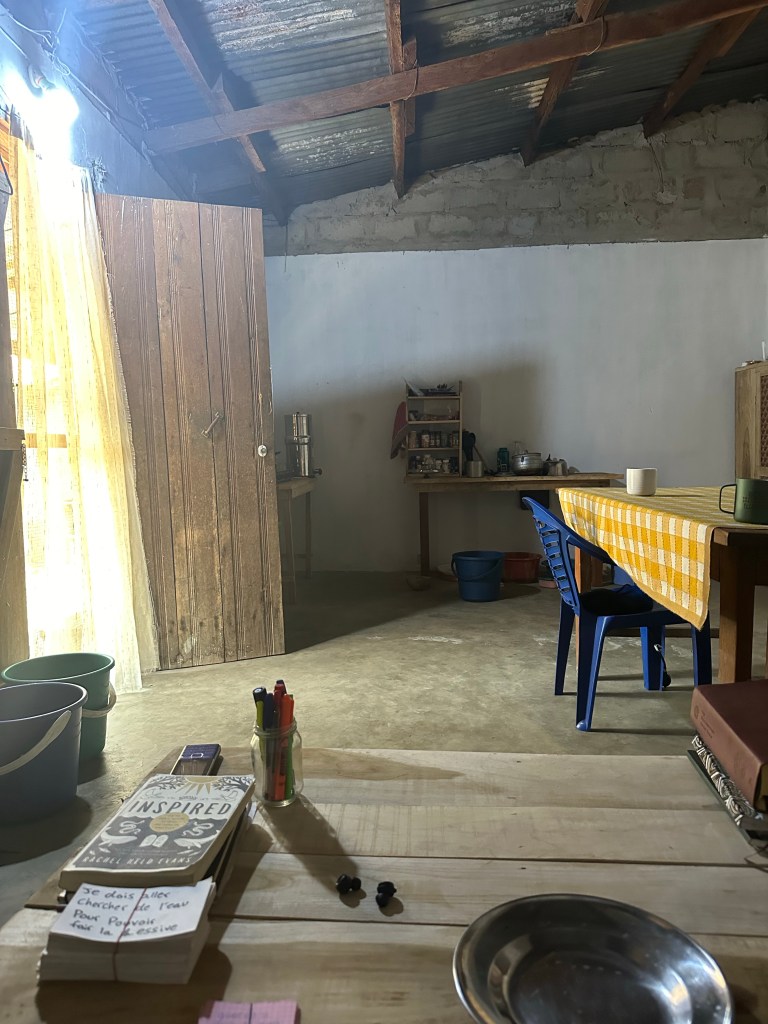
Another learning curve was getting water. There is no running water here and the village has a manual pump and several wells. The pump is about a 10 minute walk from the house so we need to collect water for cooking, drinking, dishes, laundry and showering everyday. For our drinking water, we boil it and then put it through our filter. We do our laundry in buckets by hand and dry them on a line.

There are some small shops here in Babade that sell canned tomato paste, instant coffee, corn flour and some other shelf stable foods. For fruits, vegetables or meat we have to walk to a nearby village on market days. Market days are a time for everyone to get together, socialize and drink Tchuk, the local home brewed beer made from sorghum.


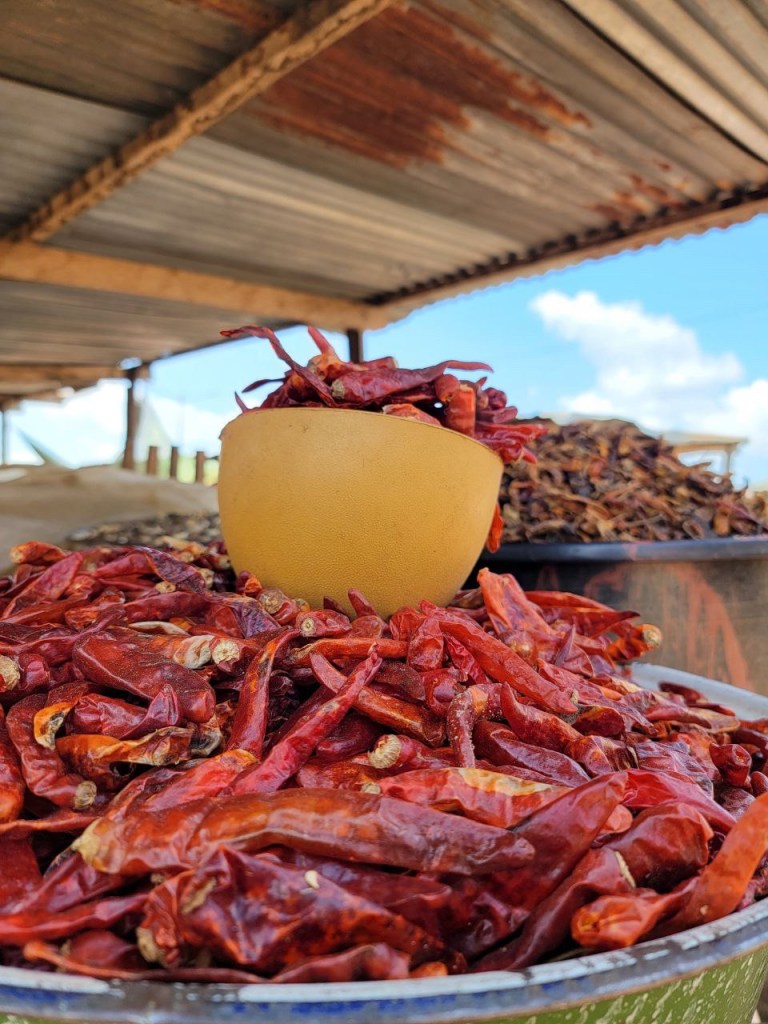
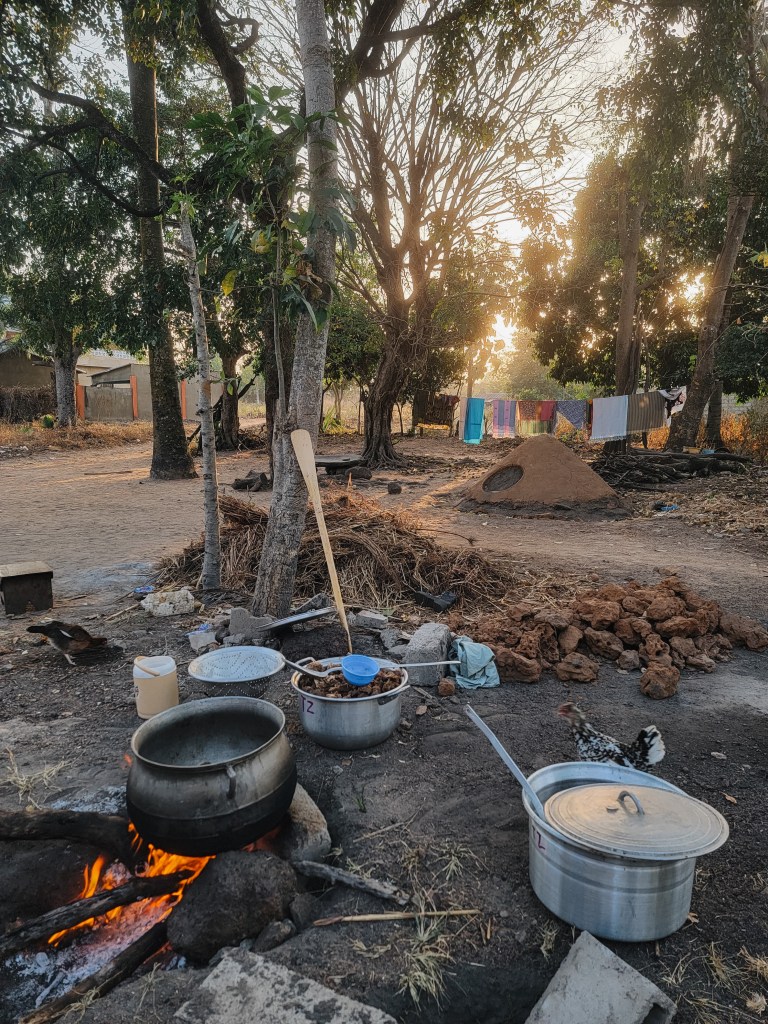
We have learned to cook some local foods and the thing we cook the most for ourselves is watche, a beans and rice dish. Our host family most commonly eats pate with sauce or fufu with sauce. We cook over a propane stove in our house but our host family cooks over fire in the shared compound area. We cook over fire sometimes with them there to spend time with them and learn how to cook Togolese food. Paul has been making lots of tortillas too and our host family is not so sure about them.

During these first few months I have been shadowing a birth attendant at the local clinic. The clinic is small and they mainly focus on maternal and newborn health. I heave learned how they conduct prenatal appointments and vaccination days on Fridays. I have also been able to see a few births and help out where I can.


There was a nationwide mosquito net distribution campaign a few weeks after getting to site that we were able to help with. We walked to every house in Babade with the community health workers (CHWs) and gave everyone a mosquito net. The ministry of health will do this campaign every three years to prevent the spread of malaria. Malaria is a huge problem here and one of the main CHESS program objectives is to reduce the spread and to provide access to treatment.

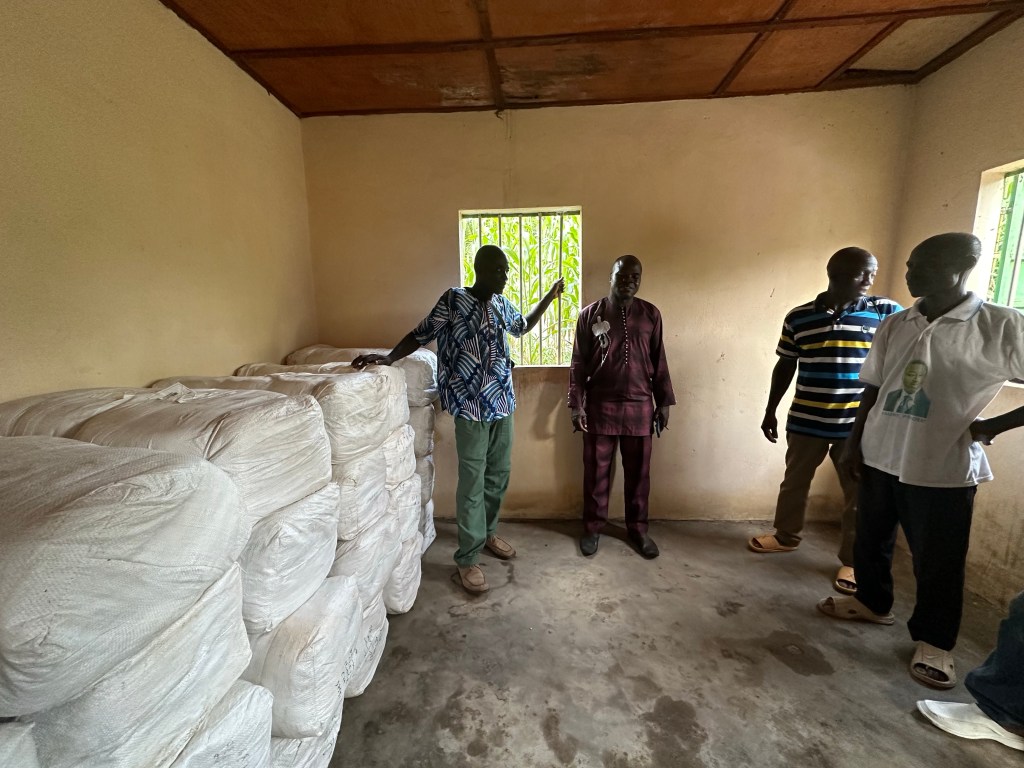

Paul has been shadowing local farmers and learning about the different crops that they grow here. Most people in Babade earn money by selling cereal grains at the market in the neighboring villages. Soybeans, corn, yams and sorghum are grown all over Babade.

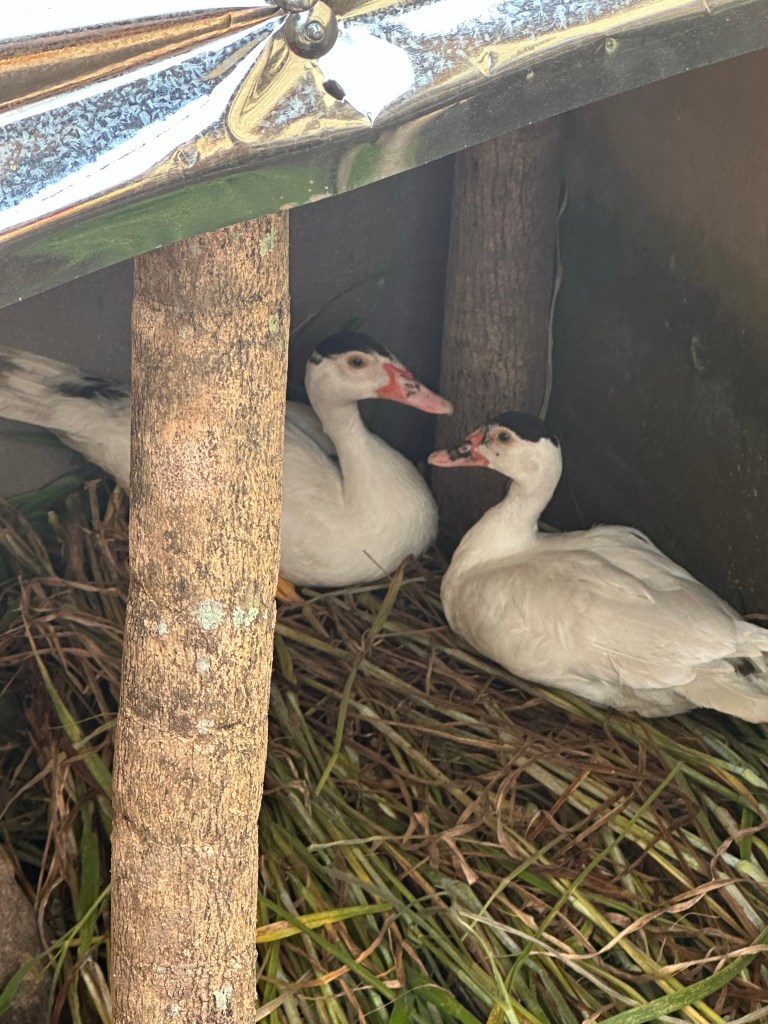
People have expressed that a project they want Paul to do would be animal husbandry so we got two ducks to start off and built them a little coop next to our house. Nutritional diversity is one of the project goals of PAGES and a lack of protein is a problem for people here.



We started clubs at the middle school and plan to meet every Wednesday starting when we get back from our in-service training. Paul has an English club and I have a girls health club. We have had a few meetings to establish members and goals for the groups. The kids are really excited and so are we for all the things we want to do with them.


Life here is slow and revolves around community. Greeting people is very important and an integral part of socializing. We never know what our day might look like or what will happen next. Our French skills are improving slowly and we spend a lot of time on Duolingo and Babbel in the evenings. So far our service journey has been an incredible experience and we look forward to starting projects when we get back from our in-service training.
This is my personal blog and the views expressed here are my own and do not reflect the opinion of the U.S. Government or the Government of Togo.
 The Adventures of Paul and Sue
Nice blog page. I was an education volunteer in Togo from 2015-2018 in the Plateaux region. I stumbled across your blog while looking for a pdf version of Where there is no Whopper (no luck finding it so far). Have fun at IST in Pagala. I’m currently in Lome if you are around over winter break my Togocel number is 93 01 67 88.
Awesome! I would love to connect I’ll send you a text